A cordial invitation to an exhibition at the Thammasat Museum of Anthropology

Source: http://socanth.tu.ac.th/news/exhibition-tu-museum/
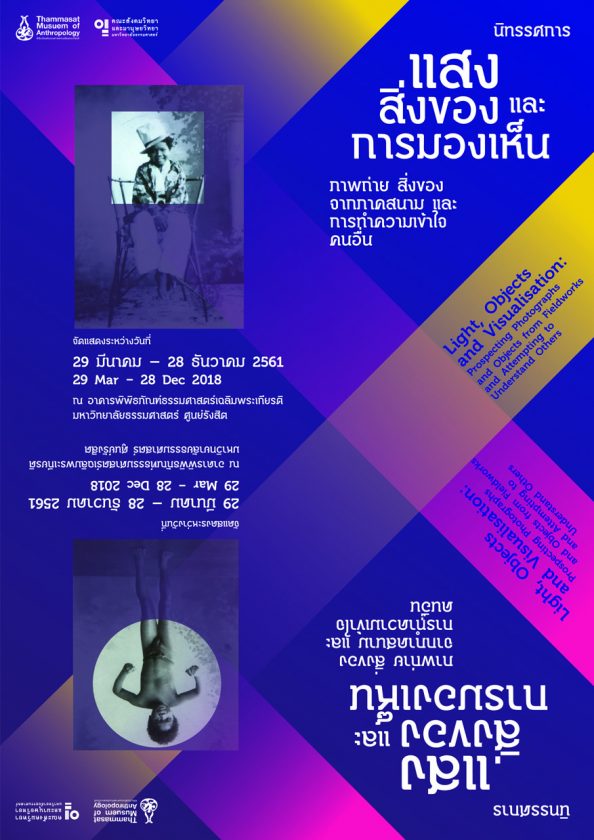
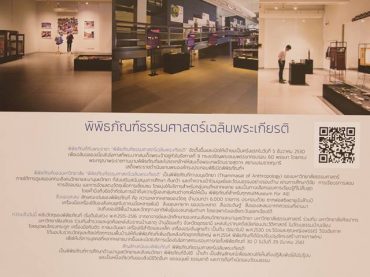
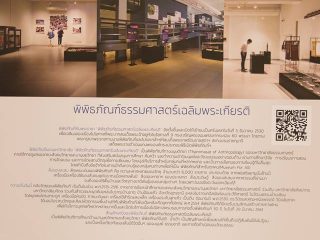
The Faculty of Sociology and Anthropology, Thammasat University, issued an open invitation to visit an exhibition, “Light, Objects and Perception: Photographs – Objects from Fieldwork and the Understanding of Others”, held between 29 March – 28 December 2018 at the Thammasat Museum of Anthropology Building, Faculty of Sociology and Anthropology, Thammasat University, Rangsit Campus.

Fundamentally, humans perceive and interpret the world through their own eyes. “Seeing comes before words. The child looks and recognizes before it can speak” (John Berger, Ways of Seeing, 1973). Anthropologists and sociologists are no exception. They all use their “eyes” to view and understand the world of Others (Ocularcentrism); integral to this is Participant Observation – a method of gathering knowledge through engaging in fieldwork to understand “Others.”

In order to see, know and remember, “light” is indispensable to humans.

Different cultures in the world also define light as a source of knowledge and wisdom. The metaphor of Socrates’ cave story tells of a slave who unbinds the chain that kept him in the cave and walks out to see sunlight through his own eyes. That action is an act of perceiving the real world. The importance of lightness was also echoed in the naming of the Age of Enlightenment in the 18th Century; it was a time of light and reason (le Siècle des Lumières) replacing the Dark Ages.

In Buddhism, darkness is ignorance and lightness is wisdom. “Seeing” a corpse, if viewed with wisdom, can be “seeing with greatness” because the “eyes-see-Dhamma.” In Hinduism, besides placing importance on light, “watching-loyally” deities like Nandi ̶ a bull sculpture who watches Shiva from the gate of a holy place ̶ is an act that will be blessed by the gods.

In order to present evidence for understanding others, anthropologists and sociologists use “words” or “writing”, in other words, an “Ethnography” (from graphy – Greek for writing) about others (Ethno). However, one of the most important criticisms is that “this writing about others” only represents a partial truth.

With the popularity of cameras, anthropologists and sociologists started to use photography (Photo-graphy) to record information and expand their understanding. Etymologically, photography means writing (graphy) with light (photo – in Greek means light). So, in the same manner as writing, is photography only a record of a partial truth?

If human eyes only perceive part of the “truth,” with such limited sight, how much can we fully “understand”?

The exhibition of “Light, Objects and Perception: Photographs –Objects from Fieldwork and the Understanding of Others” is divided into three displays, interconnected by one concept, which is how does the “perception” of objects help us to understand others.
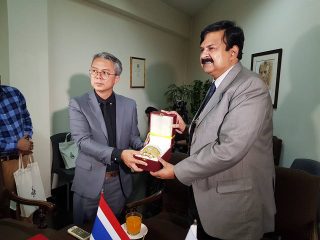
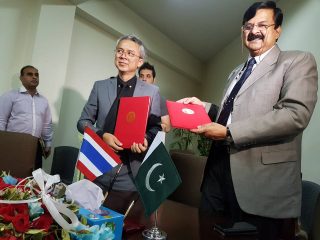
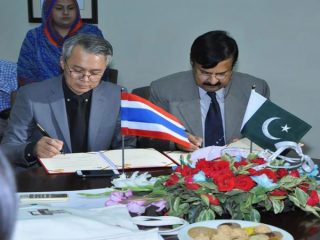
MOU Signing between the Faculty of Sociology and Anthropology and Lahor Arts Council in the Islamic Republic of Pakistan

Source: http://socanth.tu.ac.th/news/mou-lahor-23-6-18/

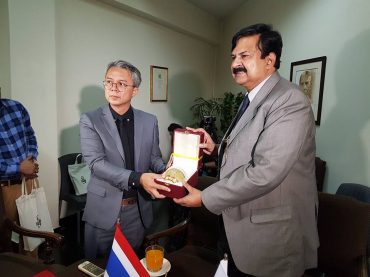
On 23 May 2018, a team of lecturers from the Faculty of Sociology and Anthropology, Thammasat University, led by Asst. Prof. Dr. Yukti Mukdawijitra, Deputy Dean for the Graduate Program, Research and Academic Service Affairs, traveled to sign a MOU with Lahor Arts Council in the Islamic Republic of Pakistan. This MOU aims to expand collaboration between Thailand and Pakistan on arts and cultural activities and develop the potential for organizing students’ fieldwork in Pakistan.
For further details, please visit the following website [ Link https://dailytimes.com.pk/243501/alhamra-thammasat-university-sign-mou-to-build-cultural-exchange-links/ ]

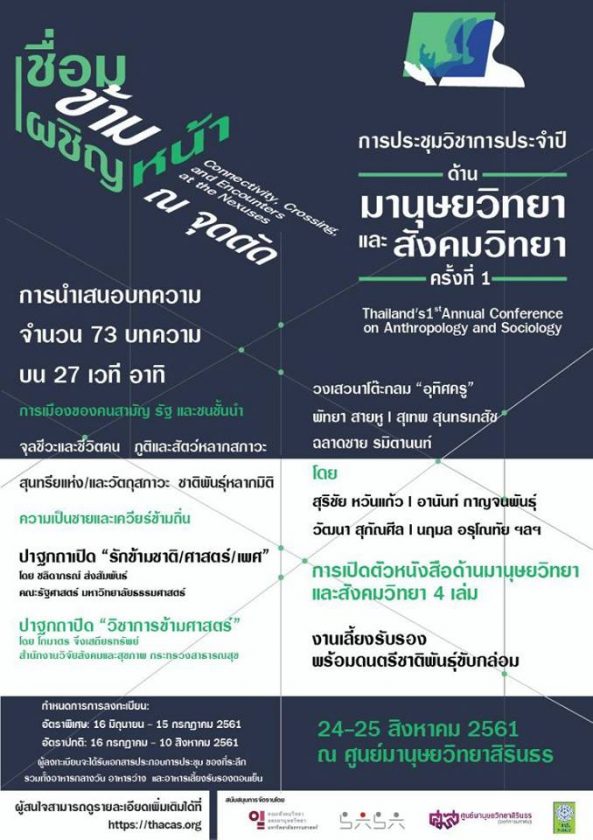
The 1st Academic Conference on Anthropology and Sociology

Source: http://socanth.tu.ac.th/news/conference-on-anthropology-sociology/

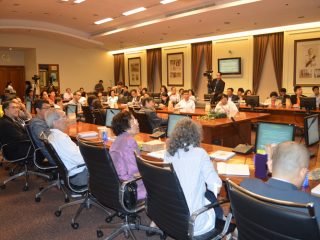
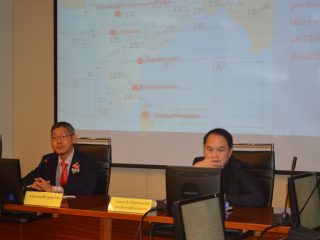
The Faculty of Sociology and Anthropology, Thammasat University, in collaboration with the Sociology and Anthropology Study Network, the Siamese Association of Sociologists and Anthropologists (SASA) and the Princess Maha Chakri Sirindhorn Anthropology Centre (Public Organization) with support from the National Research Council of Thailand (NRCT), organized the inaugural Academic Conference on Anthropology and Sociology from 24-25 August 2018 at Princess Maha Chakri Sirindhorn Anthropology Centre, visit this website at https://thacas.org

Award Presentation on the Commemoration of the University’s Establishment and Academic Speech

Source: http://socanth.tu.ac.th/news/congratulation-who-speech-60/

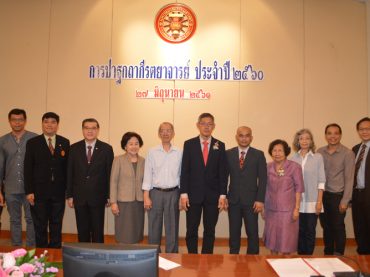
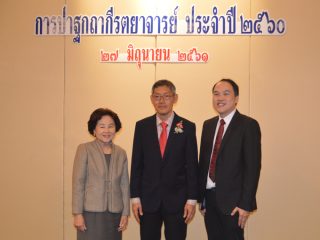
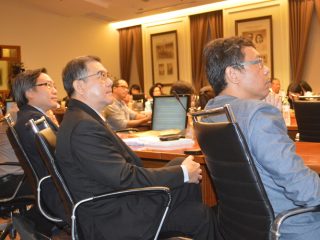
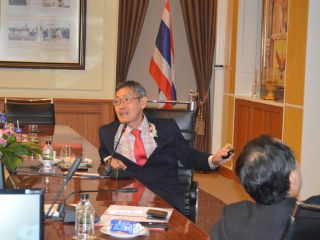
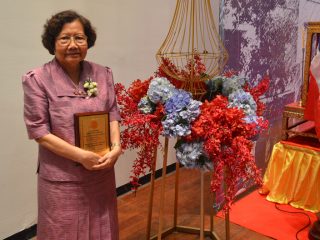
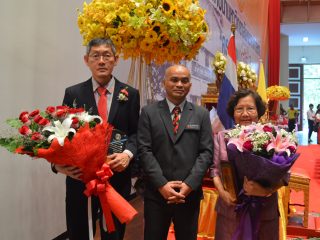
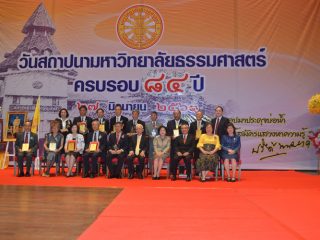
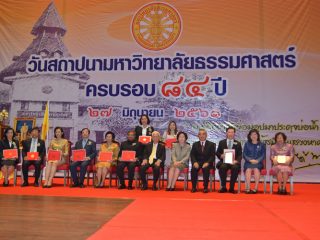
On 27 June 2018, Thammasat University organized an event commemorating 84 years since the University’s founding. On this occasion, the University presented the honorary award (plate) of Special Merit to Asst. Prof. Dr. Chaweewan Prachuabmoh and the 2017 Fellow of the University Award for Social Sciences to Prof. Dr. Samerchai Poolsuwan. On the same day, Prof. Dr. Samerchai Poolsuwan presented a lecture on “Theravada in Southeast Asia, the Second Millennium after Christianity: Aspects from New Evidence from Art History” from 10.30 – 12 noon at the Professor Sanya Thammasak Meeting Room, Thammasat, Tha Prachan.

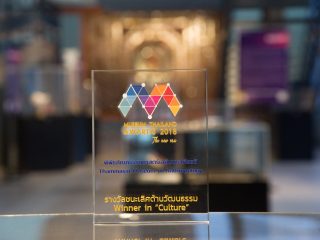
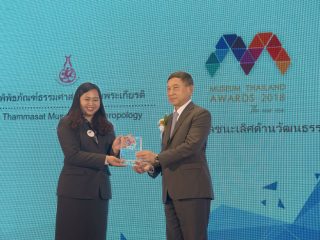
Thammasat Museum of Anthropology was awarded the Museum Thailand Awards 2018

source: http://socanth.tu.ac.th/news/museum-thailand-awards-2018/

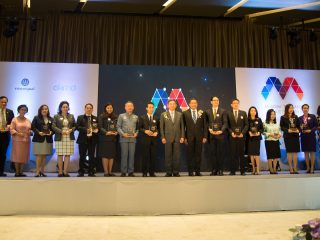
Thammasat Museum of Anthropology, Faculty of Sociology and Anthropology, was awarded the Thailand Museum Awards 2018 (Cultural Museum) by the National Discovery Museum Institute (NDMI) or Museum Siam, with ACM Prajin Jantong, Deputy Prime Minister, presiding as the chairman.

Thailand Museum Awards 2018, having run for two consecutive years, aim to elevate the standard of museums and learning centers in Thailand under the theme of Thai Museums of the 21st Century. A total of 15 Thailand Museum Awards 2018 were divided into 5 categories as follows:

  • Museum of Culture
  • Museum of Society
  • Museum of Economy
  • Museum of Science
  • Museum of the Environment